
You know that nagging sense of chaos? Tasks pile up. Deadlines blur. You’re busy—but getting nowhere. Most productivity systems add more noise, not clarity. What if the answer isn’t another app feature—but ruthless simplicity? Enter the neat planner for success: not just an organizer, but a decision filter.
Why Most Planning Systems Collapse Under Real Life
Traditional planners demand perfection. Color-coded calendars. Hour-by-hour breakdowns. And when life inevitably interrupts? Guilt. Abandonment. Rinse. Repeat.
The flaw isn’t your discipline—it’s the design. Over-engineered systems ignore cognitive load. And cognitive load kills consistency. Fast.
You don’t need 50 fields per task. You need to know: Is this worth my energy today?
Building Your Neat Planner for Success—Without Burning Out
Forget “managing time.” Focus on managing attention. Here’s how:
Start With Constraints, Not Features
Limit yourself to three priority slots per day. Not ten. Three. If it doesn’t fit, it waits. This forces real prioritization—not wishful thinking.
Ditch Digital Distraction Traps
Many “productivity” apps are engagement engines disguised as tools. Notifications. Badges. Endless customization. They reward usage, not output. A true neat planner strips all that away.
Sync With Your Energy, Not Just Your Calendar
Schedule deep work during your biological peak—not because your calendar is empty at 2 PM. Track energy patterns for one week. Adjust accordingly. Output soars when timing aligns with physiology.
| Approach | Daily Cognitive Load | Long-Term Adherence | Real Output Gain |
|---|---|---|---|
| Complex Digital Planners (e.g., Notion-heavy setups) | High — constant decisions | Low — abandoned in 2–4 weeks | Marginal — mostly organizational overhead |
| Paper Bullet Journal | Medium — manual upkeep | Moderate — depends on discipline | Good — if consistently maintained |
| Neat Planner for Success (3-priority + energy sync) | Low — minimal decisions | High — sustainable by design | High — focuses only on what moves the needle |
The Industry Secret: Productivity Isn’t About Doing More—It’s About Strategic Omission
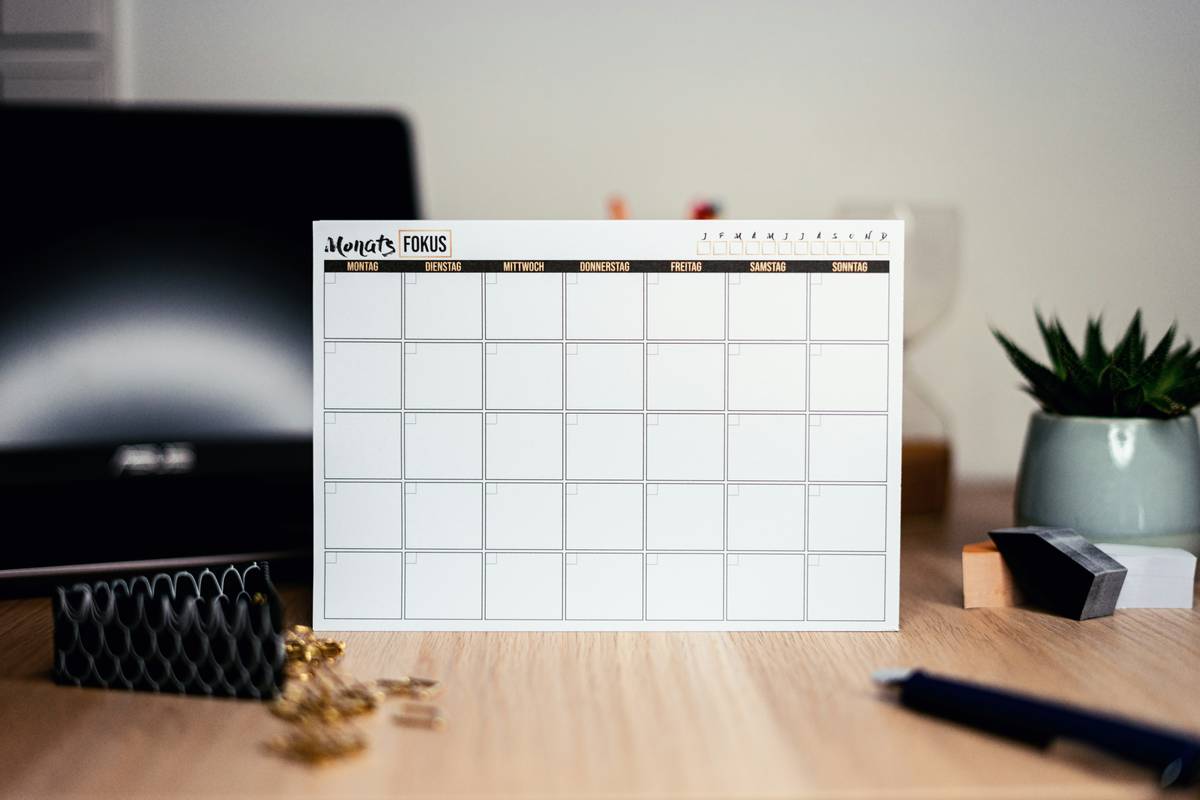
Here’s what top performers won’t admit: their secret isn’t better tools. It’s saying “no” to 90% of what crosses their desk. A neat planner enforces that boundary visually. When you only have three lines to fill, trivial tasks vanish—they literally don’t fit. This isn’t minimalism for aesthetics. It’s cognitive triage. And it works because it leverages scarcity, not abundance. The math is simple: fewer choices = faster execution = compounding results.
Frequently Asked Questions
Can a neat planner really replace complex project management tools?
For personal execution—yes. For team coordination—no. Use it as your daily command center, not your Gantt chart. Keep scope tight.
How do I stick with it when my schedule changes suddenly?
Redraw your three priorities immediately. The system’s strength is flexibility within constraint—not rigid structure. Adapt fast, then refocus.
Is handwriting necessary for a neat planner to work?
No—but analog reduces distraction risk. If digital, use a stripped-down app with zero notifications. Simplicity beats medium.